

What a Landmark Brain Health Study Means for Your Everyday Life …
U.S. POINTER Brain Health Study: What It Means for You
What the U.S. POINTER study means for everyday brain health, plus two Bloomington events this month: the Alzheimer's Walk and Dementia Friendly conference.
…Plus Two Ways to Get Involved in Bloomington This Month
If you've ever worried about your own memory, or watched someone you love go through memory loss, you've probably wondered whether anything you do day to day really makes a difference.
New research says it can.
What the study found
In 2025, the Alzheimer's Association shared results from U.S. POINTER, the largest research commitment in its history. More than 2,000 older adults at risk for cognitive decline took part in a two-year trial across the country, testing two different lifestyle programs.
Both programs combined the same basic ingredients:
Regular physical activity
Better nutrition
Mentally and socially challenging activities
Health check-ins, like blood pressure
Both groups improved on tests of thinking and memory. The group with the more structured program, which had more support, coaching, and accountability, improved even more. In plain terms, the researchers found that these habits helped protect thinking and memory from the normal decline that comes with aging, over the roughly two years of the study.
What it doesn't tell us
This was a study of thinking and memory over two years. It didn't show that anyone avoided a dementia diagnosis, and it isn't a cure or a guarantee. Researchers are continuing to follow participants to learn about longer-term effects.
It's also general information, not medical advice. Check with your doctor before starting a new exercise program or changing your diet, and ask them about your own blood pressure and other numbers.
What it means for the rest of us
You don't need a research team to borrow the best ideas from this study:
Move your body most days. A walk counts.
Eat well. Better nutrition was part of both programs. Ask your doctor what's right for you.
Keep your mind and your social life active. Learn something, play something, call someone.
Know your numbers. Regular check-ups are part of brain health too.
And here's the part we find most encouraging: the people with more structure and support did better. A plan, check-ins, and other people alongside you made a difference. That's why we build everything at Wise Owl Network around small steps and shared experiences. (We also include sleep and rest in our own brain health tips. It wasn't one of the study's main components, but it's worth raising with your doctor.)
Two ways to take a step in Bloomington this month
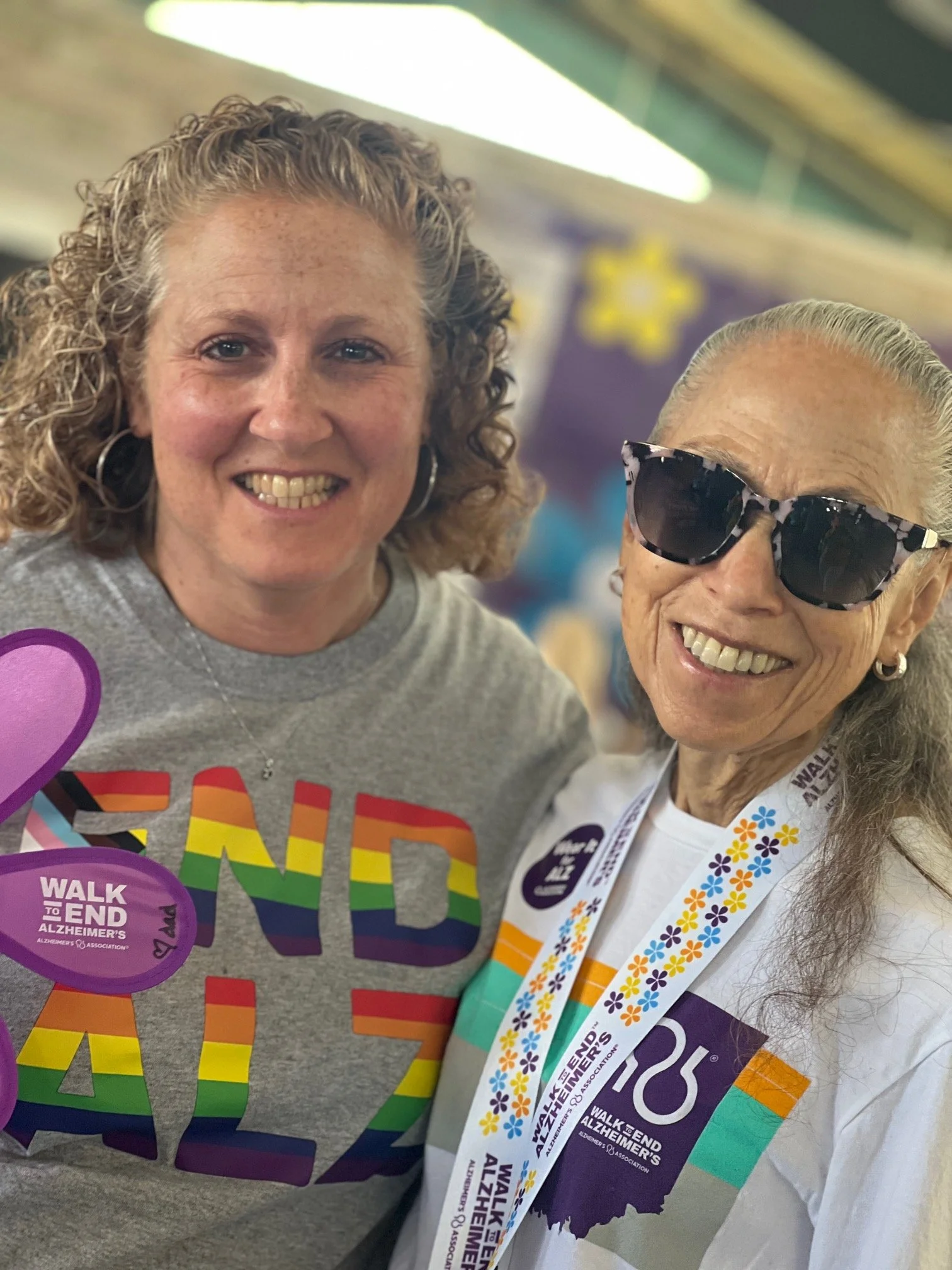
Walk to End Alzheimer's: Sunday, October 18
The Bloomington Walk to End Alzheimer's brings neighbors together to raise awareness and funds for Alzheimer's care, support, and research. It's a good fit if you're:
A caregiver looking for community
Walking in honor of, or in memory of, someone you love
An advocate who wants to help
Simply curious, and ready to move a little for a good cause
When: Sunday, October 18. The event begins at 12:00 pm, the opening ceremony is at 12:45 pm, and the walk follows right after.
Where: Switchyard Park Pavilion, 1601 S Rogers Street, Bloomington, IN 47403
Register, join a team, volunteer, or donate: 2026 Walk to End Alzheimer's, Bloomington https://act.alz.org/site/TR/Walk2026/IN-Indiana?pg=entry&fr_id=19610
Can't make it in person? You can still donate to the Walk or to a team through the registration page.
Dementia Friendly Bloomington Conference: Thursday, October 22
Dementia Friendly Bloomington is a local effort to make our community a place where people living with dementia and the people who care for them are understood and supported. The conference is a chance to learn, connect, and find out how you can help.
When: Thursday, October 22, from 9am-3pm
Where: Sherwood Oaks Christian Church, Bloomington
Details and registration: Registration is free: https://www.dfindiana.org/dementia-friendly-conference
All community members, professionals and residents alike and especially those living with dementia and care partners welcome!
If you need support right now
The Alzheimer's Association runs a free 24/7 Helpline at 800-272-3900. You don't have to be in crisis to call. Questions are welcome.
Where Wise Owl Network fits in
We're not medical professionals or attorneys, and we don't give medical, legal, or financial advice. We help people get organized, find the right local resources, and take that first step. If you're caring for someone with memory loss, or you'd like to get your own affairs in order while you're thinking clearly, our workbook is a gentle place to start, and consultations are available if you'd like to talk it through.
Try a free section of the workbook → https://www.wiseowlnetwork.com/getting-your-owls-in-a-row
Book a consultation → Contact | Get in Touch Today — Wise Owl Network
Event details come from the organizers, so please check their pages for the latest information. Wise Owl Network is sharing these events because we think they're worth your time.

A Resource Partner for the Seniors You Serve
Wise Owl Network supports organizations that serve older adults with consultations, workshops, and a practical workbook for clients.
You work with older adults, you already know the hardest part of your job often isn't what you do. It's everything your clients need that falls outside what you do.
Attorneys get asked about housing. Funeral coordinator gets asked about financial paperwork. Senior living communities field questions about legal documents, home care, and benefits. You want to help, but you can't be the expert on everything, and you shouldn't have to be.
Who we are
Wise Owl Network is an aging resource hub. We help individuals and families get organized and find the right resources. We also work with organizations that serve seniors and want a reliable place to send clients when the question goes beyond their own specialty.
How we can support your clients
Consultations. Clients can talk through their situation with someone who can help them sort priorities and find appropriate local resources.
A practical starting tool. Our Get Your Owls in a Row workbook helps clients organize Home, Medical, Legal, and Financial information so they arrive at appointments prepared. Many professionals find this saves time on their end too.
Workshops. We partner with local organizations to host short, focused in-person sessions, and we coordinate guest professionals where it makes sense.
Wise Academy. Training and education built for professionals, with member pricing on bulk workbook orders and a library of tools to use on the go when you sit down with your clients.
What stays with you
We're clear about our role. We raise awareness, help people get organized, and encourage them to take a first step. We don't provide legal, financial, or medical advice. The professional details stay with licensed professionals, which is why referral partnerships work well: we help clients show up ready, and you do the work you're qualified to do.
Start a conversation
If you'd like to see how this could work for your organization, whether that's keeping copies of the workbook on hand, hosting a workshop, or having somewhere to refer clients, let’s talk.
Learn about bulk and partner options →(https://www.wiseowlnetwork.com/get-your-owls-in-a-row)
Contact us about a partnership → Contact | Get in Touch Today — Wise Owl Network
Wise Owl Network: Empower Aging Resource Hub. www.wiseowlnetwork.com

Not Sure Where to Start? How Wise Owl Network Helps You Find the Right Help
Overwhelmed by aging, caregiving, or planning questions? Wise Owl Network helps you find the right local resources and professionals, one step at a time.
Not Sure Where to Start? How Wise Owl Network Helps You Find the Right Help
If you've ever typed "help for aging parents" into a search bar and ended up with forty browser tabs and no answers, you're not alone.
The problem usually isn't a lack of resources. Indiana has agencies, programs, and professionals who can help with housing, healthcare, legal planning, and money questions. The problem is knowing which ones apply to you, in what order, and who to call first.
That's why Wise Owl Network exists.
Our mission
Wise Owl Network is an aging resource hub built around a simple idea: getting older, or caring for someone who is, shouldn't mean figuring everything out alone. We bring awareness to the topics that matter, encourage people to take that first small step, and connect them with the right local resources and professionals.
What a consultation looks like
Sometimes a workbook is enough to get you moving. Other times, you want a person to talk it through with. In a consultation, we can help you:
- Sort out what's urgent and what can wait
- Understand which kinds of resources fit your situation
- Find local agencies, programs, and professionals worth contacting
- Get organized so your first call to an attorney, advisor, or care provider is productive
What we don't do
We're not attorneys, financial advisors, or medical providers, and we won't pretend to be. We don't give legal, financial, or medical advice. Our job is to help you get organized and point you to the right professional.
That's by design. The people who hold those licenses should be the ones guiding the details. We help you arrive prepared.
A good first step
If you're not ready for a consultation yet, start with the workbook. Get Your Owls in a Row walks you through Home, Medical, Legal, and Financial organizing one page at a time. You can try a full section free before you decide on anything else.
[Try a free section →](https://www.wiseowlnetwork.com/getting-your-owls-in-a-row)
[Ready to talk it through? Book a consultation → Contact | Get in Touch Today — Wise Owl Network
You don't have to have it all figured out. You just have to start somewhere.
---
Wise Owl Network is based in Bloomington, Indiana, and built for the families and professionals who live and work here.
The Caregiver Guilt Nobody Warns You About
The Caregiver Guilt Nobody Warns You About
Nobody tells you about this part.
Not the exhaustion — everyone warns you about that. Not the logistics, the appointments, the medications, the paperwork. People warn you about all of that.
What almost nobody says out loud is this: you will feel guilty, often, for feelings you didn't choose to have.
Guilty for the flash of frustration when you're asked the same question for the fifth time today. Guilty for the relief you feel during the twenty minutes someone else takes over. Guilty for wanting, just once, an evening that isn't about anyone else's needs. Guilty, even, for reading this and feeling seen instead of ashamed. Oh! And the feeling you get when you’re just not sure you can keep doing this and think, what would it be like if they had to go to a care facility…?
None of that makes you a bad caregiver
It makes you a human being doing something genuinely hard, for as long as it takes, without much of a script to follow. Caregiving doesn't come with training. It comes with love, obligation, and a whole lot of figuring it out as you go — and the guilt that shows up along the way isn't a character flaw. It's what happens when you care about someone enough for it to actually cost you something.
A few things worth hearing, if no one's said them to you lately
- Needing a break doesn't mean you love them less.
- Feeling resentful sometimes doesn't erase all the times you didn't feel that way.
- Taking care of yourself isn't stealing time from them — it's what makes it possible to keep showing up at all.
- You're allowed to laugh, even on hard days. It doesn't mean you're taking it lightly.
If you're in the middle of it right now
You don't need to fix anything today. You don't need a five-step plan. You just need to know that what you're feeling is common, human, and not a sign that you're doing this wrong.
If it ever helps to have one less thing to carry — like knowing where important documents actually are, or having a written record of care preferences so you're not guessing during a hard moment — that's a small, practical piece we try to make easier with Get Your Owls in a Row. Not a fix for the hard parts. Just one less thing.
---
If you're a caregiver reading this and having a genuinely difficult day, you don't have to carry it alone — reaching out to a trusted friend, a support group, or a professional is always a reasonable next step, not a last resort. Look for those resources right here on our website or sign up with us to check in and see what you really need to help balance your own health while caregiving for someone else. Contact us for a free consultation.

Who Has Your Emergency Contact List? (If the Answer Is "No One," Start Here)
Who Has Your Emergency Contact List?
Quick test: if something happened to you right now — a fall, a health scare, anything sudden — could the people around you find your emergency contacts in under a minute?
Quick test: if something happened to you right now — a fall, a health scare, anything sudden — could the people around you find your emergency contacts in under a minute?
Not your phone. Your phone might be locked, dead, or with you in the ambulance. A written, printed list, somewhere visible, that anyone in your house (or a neighbor, or a first responder) could find immediately.
Most people don't have one. Not because it's hard — because it's the kind of task that's easy to keep meaning to get to.
It's not just "in case of emergency"
A good emergency contact list does more than list next of kin. The version we use in Get Your Owls in a Row also asks:
- Who should be called beyond immediate family — close friends, neighbors, doctors?
- Is there a copy posted somewhere visible, like the fridge or a kitchen cabinet?
- Does a trusted neighbor have a copy, in case you're away from home when something happens?
- When was it last updated? (If the honest answer is "I don't remember," that's worth fixing today.)
Ten minutes, one page
This is genuinely one of the fastest worksheets to complete in the whole workbook — which is exactly why it's the first thing we recommend starting with. No research required, no decisions to agonize over, just information you already know, written down somewhere it can actually be found.
It's also a good way to find out if this workbook is right for you, without committing to anything. The full Home & Personal Organizing section — emergency contacts and seven other worksheets — is free to download.
[Get your free section here →](https://www.wiseowlnetwork.com/getting-your-owls-in-a-row)
Ten minutes from now, this could be one less thing to worry about.
---
Get Your Owls in a Row is a Wise Owl Network project, built right here in Bloomington.

Five Signs You've Officially Become the "Where Are My Glasses?" Person
We all do it. Where did I put those keys? Where are my glasses? - (when they are on your head the whole time) And the one we never thought we would do; Where is my phone? - (then looking down to see it’s already in your hand or you're talking on it) Yeah, I know you do it too, so you’re my person and we will laugh at it until or keep it a secret between the two of us.
There's a moment — you never see it coming — when you become “That Person”. The one patting down three pockets for glasses that are, in fact, on your face. It happens to everyone eventually, and once you notice it, you can't stop noticing it.
Here are five signs you've arrived.
1. You have a "junk drawer," and it has expanded to at least one full shelf
Batteries that fit nothing you currently own. A takeout menu from a restaurant that closed in 2019. Four half-used tubes of super glue, all somehow dried out. This drawer is not a mistake — it's a museum, and you are its curator.
2. You've said "back in my day" unironically, out loud, to another human being
And the worst part? You weren't even talking about anything that happened that long ago.
3. You've developed strong, specific opinions about chairs
Firmness. Back support. Whether it "hugs you right." Twenty years ago you would sit on anything. Now you have Thoughts.
4. You've caught yourself narrating your own actions out loud
"Now where did I put that..." spoken to an empty room, as if the room might answer.
5. You've started keeping important documents "somewhere safe" — and can't remember where "safe" was
This one's less funny and more universal. Somewhere between decade three and four, most of us accumulate a pile of Important Things — insurance policies, passwords, the deed to the house — and tuck them away so securely that even we can't find them in a hurry.
If that last one hit a little closer to home than the others, you're not alone — and it's a genuinely common thing to want to fix, once and for all. That's actually the whole reason Get Your Owls in a Row exists: one place for all of it, organized one page at a time, so "somewhere safe" actually means something.
No pressure though. Mostly, we just hope you laughed at the junk drawer thing. We see you. We are you.
---
Wise Owl Network is based locally— built by and for people getting a little older, a little wiser, and occasionally still looking for glasses that are already on their face.
Introducing "Get Your Owls in a Row" — A Workbook for Life's Loose Ends
Get Your Owls in a Row.
There's a task most of us carry around for years without ever starting it. It goes by a few names — "getting your affairs in order," "the emergency binder," "the thing I should really do this year" — and it usually ends up on the same shelf as the other things we mean to get to eventually.
There's a task most of us carry around for years without ever starting it. It goes by a few names — "getting your affairs in order," "the emergency binder," "the thing I should really do this year" — and it usually ends up on the same shelf as the other things we mean to get to eventually.
Here's the truth about that task: it's not actually hard. It's just big. Nobody sits down to organize their home, medical, legal, and financial life all at once and finishes in an afternoon. So it doesn't get started at all.
We built something to fix that.
Meet Get Your Owls in a Row
Get Your Owls in a Row is a workbook — not a checklist, not a lecture, a workbook — built around one simple idea: one page at a time.
Instead of one overwhelming list of "everything you need to do before you die," it's broken into four sections that mirror how life actually works:
- Home — the practical, everyday stuff: emergency contacts, pet care, who has a spare key
- Medical — healthcare directives, medications, the people who need to know your wishes
- Legal — wills, powers of attorney, where the important documents actually live
- Financial — accounts, insurance, debts, and how the people you love would find any of it
Each section opens with a short, genuinely encouraging page before you ever pick up a pen — no guilt, no countdown, just a clear "here's where to start" and a reminder that there's no deadline here.
Built for real families, not just anyone
Every worksheet includes Indiana-specific guidance woven directly into the page — real state agencies, real phone numbers, real next steps, not generic advice that leaves you googling what to do next. If you've ever filled out a form and hit a wall because it assumed you already knew who to call, this was built to not do that to you.
## The small detail we're proud of
Flip to the start of any section and you'll notice something: instead of another dry checklist header, there's a small quote and a single, specific "getting started" nudge — the one thing worth doing first, and why. It's a small touch, but it's the difference between a workbook that sits on a shelf and one that actually gets opened.
Try it before you buy it
We're not asking anyone to take this on faith. The Home & Personal Organizing section — a full, real piece of the workbook, not a watered-down preview — is free to download right now. Emergency contacts, pet care plans, home inventory, all of it.
If it feels like something worth finishing, the rest is waiting whenever you’re ready.
[Get your free section here →](https://www.wiseowlnetwork.com/get-your-owls-in-a-row)
No pressure, no countdown. Just a place to start. --- Get Your Owls in a Row is a Wise Owl Network project, built right here in Bloomington.
More sections, more stories, and updates on the full workbook are on the way — sign up on the page above to be the first to know.

AI and Older Adults: What to Know Before You Try It
Misconceptions about AI. What to know if you are an older adult and how to use it safely.
If you've heard the term "AI" and pictured a single robotic entity out there somewhere, you're not alone — and it's one of the biggest reasons older adults hesitate to use it. In reality, AI isn't one product. It's a general term for computer programs that can understand language, answer questions, and help with tasks. It shows up in many different tools, made by many different companies: chatbots like ChatGPT, Claude, Gemini, and Copilot; voice assistants like Siri and Alexa; search engines that now summarize answers instead of just listing links; and even features built into your phone's camera or email app.
Think of "AI" the way you'd think of "cars." A Honda and a Ford are both cars, made differently, with different features — but you don't need to understand engines to drive one. The same is true here: you don't need to know how AI works to benefit from it.
At Wise Owl Network, we help older adults find information and resources every day. Along the way, we've noticed a handful of misconceptions that keep people from even giving AI a try — so let's clear those up.
Common Misconceptions
"It's too complicated for someone like me."
Most AI chatbots work the same way you'd send a text message: you type (or speak) a plain-English question, and it responds in plain English. There's no special vocabulary required. If you can ask a librarian a question, you can ask an AI chatbot.
"It will replace talking to a real person."
AI tools are best thought of as a fast first step, not a replacement for people. They're excellent for narrowing down options quickly — but a phone call to confirm details, or a conversation with a trusted friend, family member, or professional, is still valuable and often necessary.
"It's always listening in and collecting everything I say."
Privacy is a legitimate concern worth taking seriously, and it's smart to be thoughtful about what personal details you share with any tool online. But most AI chatbots only respond to what you actively type or say to them in that moment — they aren't secretly recording your household conversations.
"If I make a mistake, I'll break something."
You really can't "break" an AI tool by asking it the wrong question or phrasing something awkwardly. Worst case, you get an answer that isn't quite what you needed, and you simply ask again a different way.
"Anything AI tells me must be true."
This is the misconception worth worrying about most — not because AI is untrustworthy on purpose, but because these tools can sound confident even when they get a detail wrong, like an address, phone number, or eligibility rule. That's exactly why we've built a follow-up habit into the guide below: always double-check anything important before you act on it.
Where AI Genuinely Helps Older Adults
- Finding local resources — meal delivery, transportation programs, home repair assistance, senior centers, caregiver support groups
- Understanding paperwork — asking an AI tool to explain a confusing letter or form in plain language
- Drafting messages — writing a first draft of an email or letter, which you then review and personalize
- Narrowing down options — comparing two programs or benefits before deciding which to look into further
A Few Ground Rules Worth Keeping
1. Never share sensitive numbers — Social Security numbers, bank account or Medicare numbers, or passwords — with any AI chatbot.
2. Treat AI as a starting point, not the final word, especially for anything involving money, health, or legal decisions.
3. Always verify contact information — phone numbers, addresses, and websites — before relying on it, since these can be outdated or occasionally incorrect. Keep in mind that AI is just searching the internet for information available and is not able to confirm if an office has closed or a contact person has changed from what is listed on the internet.
4. It's okay to ask the same question different ways. If an answer feels confusing, rephrasing often gets you a clearer one.
To make this easier to put into practice, we've put together a printable one-page guide with specific questions to ask AI when you're searching for resources — plus a set of simple follow-up questions to double-check what it tells you. Click here for "Finding Resources with AI: A Quick-Start Guide" in this post, print it out, and keep it near your computer or tablet.
AI isn't something to fear, and it isn't something you need to master overnight. Like any new tool, it gets easier with a little low-stakes practice — so the next time you're looking for a resource, consider giving it a try alongside your usual methods, not instead of them.
Note from Amanda: Of course, I had AI also confirm the data in this blog and help with the editing… so it may be a bit bias when it comes to helping me edit… but I like to think that this blog post has been helpful as we get used to this new world of information around us.
Share this post or its tools with a friend who might like them or have questions about using AI.
Wise Owl Network offers free consultations for caregivers of people with dementia and for anyone looking into how to age well and stay connected. Join as a member for exclusive interviews, downloadable tools, and updates for older adults.

What New Federal Reports Reveal About Medicare Advantage Denials — And Why It Matters for Seniors
Medicare Advantage Denial Rates: What New OIG Reports Reveal
If you or a loved one has ever needed skilled nursing care after a hospital stay, you know how stressful the approval process can be. Two new federal watchdog reports, released in June 2026, put hard numbers behind a concern that nursing home providers have raised for years: large Medicare Advantage insurers are denying care at unusually high rates — and reversing many of those denials only after enrollees fight back.
Here's a plain-language breakdown of what the reports found, why it matters, and where to go if you want to dig into the details yourself.
1. Two reports, one troubling pattern
The Department of Health and Human Services' Office of Inspector General (OIG) — an independent government watchdog — published two separate reports last week. One focused on skilled nursing facility (SNF) admissions. The other looked at long-term acute care and inpatient rehabilitation. Both reports reached a similar conclusion: the largest Medicare Advantage Organizations (MAOs) are denying post-acute care requests at rates far above what's typical for other types of care.
What this means: This isn't a single insurer's isolated policy or a one-off news story — it's a pattern confirmed by two independent federal analyses, which makes the findings harder to dismiss as a fluke.
2. The denial gap: 40% vs. 11%
The headline number is stark: MAOs denied 40 percent of requests for skilled nursing-level care, compared to just 11 percent for all other types of care requests.
What this means: Patients seeking nursing home or rehab care after a hospital stay are nearly four times more likely to be turned down than patients requesting other kinds of care. That's a significant, targeted gap — not just general strictness across the board.
3. When people appeal, they usually win — but few appeal at all
Only 18 percent of denied SNF requests were ever appealed. Of those that were, 95 percent were overturned in the enrollee's favor.
What this means: The vast majority of people who push back on a denial get the care they originally asked for — strongly suggesting many initial denials weren't medically justified in the first place. But the low appeal rate (under 1 in 5) also raises a quieter concern: how many people simply didn't have the time, knowledge, or support to fight a denial they should have won?
4. Winning an appeal still costs precious time
Even when enrollees appealed and won, they waited an average of six days for a decision, and 17 percent waited 10 days or more.
What this means: For a senior recovering from surgery or a serious illness, a six-to-ten-day delay isn't just paperwork — it can mean staying in a hospital bed longer than necessary or missing the critical early window for rehabilitation, both of which can affect long-term recovery.
5. One contractor stood out: naviHealth
The report singled out naviHealth (a subsidiary of UnitedHealth Group) as processing about half of all SNF admission requests industry-wide. Its denial rate was notably higher than both internal MAO reviews and other contractors, and when its denials were appealed, they were overturned 97 percent of the time.
What this means: A huge share of these decisions run through a small number of companies. When one contractor handles that much volume and its denials are reversed almost every time they're challenged, it points to a systemic process issue rather than a scattering of individual case-by-case judgment calls.
6. Not every Medicare Advantage plan works this way
The reports and AHCA/NCAL's response are careful to note that smaller, provider-led plans — called Institutional Special Needs Plans (I-SNPs) — tend to make care decisions collaboratively with the patient, their doctors, and their family. These plans have been associated with better care coordination and outcomes.
What this means: The problem isn't "Medicare Advantage" as a concept — it's specifically tied to how the largest, insurer-run plans structure their approval processes. Plan size and structure seem to matter a lot here.
7. What's being proposed to fix it
The American Health Care Association and National Center for Assisted Living (AHCA/NCAL) — the industry group representing nursing homes and assisted living providers — is using these findings to support the Medicare Advantage Improvement Act of 2026, legislation aimed at addressing prior authorization rules, prompt payment requirements, payment clawbacks, and transparency.
What this means: This isn't just a research finding sitting on a shelf — it's actively being used to push for policy change in Congress. Worth watching if you care about how this issue develops.
Why this matters, even if you're not dealing with it right now
Medicare Advantage now covers more than half of all Medicare beneficiaries, and skilled nursing needs become more common as people age. Understanding how these plans handle (or mishandle) post-acute care approvals is useful before a crisis hits — whether you're planning for your own future care, helping a parent navigate a hospital discharge, or working in the senior care field.
Take action: review the bill and make your voice heard
These reports are already shaping policy — the Medicare Advantage Improvement Act of 2026 (H.R. 8375 / S. 4384) is a bipartisan bill currently in Congress that would require faster prior authorization decisions (72 hours standard, 24 hours expedited), require medical necessity decisions to be made by qualified clinicians, and speed up claims payments to providers.
Here's how to get involved:
Review the bill yourself. Read a plain-language summary of what it does in AHCA/NCAL's overview of the bill's key provisions, or read the full bill text on Congress.gov.
If you think something's missing or should be changed, reach out directly to the bill's authors: Rep. John Joyce (R-PA), Sen. Roger Marshall (R-KS), or Rep. Jimmy Panetta (D-CA). They're the ones actively shaping the bill's language right now, and constituent and stakeholder feedback can influence amendments before it moves further.
If you think the bill covers the right ground as written, contact your own senators and representative and ask them to support it. You can find and message your legislators through house.gov's "Find Your Representative" tool and the U.S. Senate's contact directory.
Whether you want to push for changes or push for passage, the bill is still early in the legislative process — this is the window when input carries the most weight.
Go straight to the source
This post summarizes and explains the findings — for the full details, data tables, and methodology, read the original reporting and source documents:
Original press release: ICYMI: New Government Reports Show High Denial and Overturn Rates for Medicare Advantage Enrollees — AHCA/NCAL
OIG report on SNF admissions: Medicare Advantage Organizations Overturned Nearly All Appealed Prior Authorization Denials for Skilled Nursing Facility Admission
OIG report on long-term acute care and rehab: The Three Largest Medicare Advantage Organizations Denied Requests for Long-Term Acute Care and Inpatient Rehabilitation at Some of the Highest Rates
This summary is provided for general educational purposes and reflects reporting available as of June 2026. Policy details, such as the status of the Medicare Advantage Improvement Act of 2026, may have changed since publication — check current legislative trackers for the latest status.
A Wise Owl Network blog.

Aging Well in Bloomington: 6 Common Needs and Where to Find Help
Aging Resources in Bloomington Indiana. You might be surprised at the number of resources hidden in this small city.
Bloomington may be known as a college town, but it's also home to a robust, if not always well-publicized, network of support for older adults and their families. Whether you're planning ahead for yourself or helping a parent navigate a new challenge, knowing where to turn can make all the difference. Here are six of the most common needs that come up as we age, along with local resources that address each one.
1. Staying Independent at Home
Most older adults want to stay in their own homes as long as possible, and Bloomington has real infrastructure to support that goal.
Area 10 Agency on Aging (812-876-3383) is the hub for this kind of support in Monroe and Owen counties. Their in-home services include Caring Companions (in-home companionship and assistance), professional care management to help coordinate services, home-delivered meals, and a REPAIRS team that helps with home modifications and repairs so seniors can safely stay put.
For medical equipment, the Mobility Aids Lending Library (MALL) at 303 E. Kirkwood Avenue lends out wheelchairs, walkers, and other equipment for free — a great option if a need is temporary or a budget is tight.
If dementia is part of the picture, Area 10 also has a dedicated Dementia Outreach Specialist, and IU Health Bloomington's Alzheimer's Resource Services partners with the city on dementia-friendly community initiatives.
2. Reliable Access to Food
Nutrition needs often shift with age, whether due to mobility limits, fixed incomes, or health conditions.
The Area 10 Senior Nutrition Project offers congregate meal sites around the county — including at Endwright East and the Crestmont Community Site — where seniors can eat a hot meal and socialize. For those who can't get out, Meals on Wheels (812-822-2499) delivers home meals directly.
Community Kitchen of Monroe County (812-332-0999) runs both a sit-down location and a to-go "Express" option, plus mobile food trucks and a fresh grocery site. Mother Hubbard's Cupboard (812-339-5887) is another key food-access resource in town.
3. Getting Around Without a Car
Giving up driving is one of the harder transitions in aging, but Bloomington has more transportation options than people often realize.
Rural Transit (812-876-1079) serves Monroe, Owen, and Lawrence counties with wheelchair-accessible, ADA-compliant service (call at least two days ahead). Within city limits, BT Access (812-336-7433), Bloomington Transit's paratransit service, offers door-to-door rides for those unable to use fixed-route buses.
For medical appointments specifically, non-emergency medical transport providers like Be Loved Transportation and Safe Med Transportation fill in the gaps.
4. Finding the Right Housing Fit
Housing needs can range from a few small modifications to a full move into assisted living, and Bloomington has options across that spectrum.
For those who want to stay in an independent apartment, income-based senior apartment communities — including Cambridge Square, Edgewood Village, Patterson Pointe, and Redbud Hills — offer affordable options built for older adults.
When more support is needed, Bloomington and Ellettsville have a full range of licensed communities offering independent living, assisted living, skilled nursing, and memory care, including places like Bell Trace Senior Living, Meadowood Retirement Community, Gentry Park Senior Living, and Hearthstone Health Campus. Many accept Medicaid, which is worth asking about directly since availability changes.
The Long-Term Care Ombudsman (800-622-4484) is a free, independent resource if a family has concerns about care quality at a nursing facility.
5. Navigating Legal, Financial, and Healthcare Decisions
The paperwork side of aging — Medicare enrollment, benefits, legal planning — can be some of the most stressful territory to figure out alone.
The Aging & Disability Resource Center, reached through the City of Bloomington's Community and Family Resources Department (812-349-3430), is a good first call for almost any question in this category. They also house the State Health Insurance Assistance Program (SHIP), which offers free, unbiased Medicare counseling, and the Senior Medicare Patrol, which helps identify Medicare fraud.
For legal matters, Indiana Legal Services (812-339-7668) offers free help for qualifying residents, and the city guide lists several local elder law attorneys for estate planning, guardianship, and long-term care planning. Township trustees (organized by township — Bloomington Trustee is 812-336-4976) can also help with emergency rent and utility assistance.
6. Staying Socially Connected
Social isolation is one of the most under-discussed risks of aging, but Bloomington has an unusually active calendar of programs built specifically to keep older adults connected.
The Endwright Center in Ellettsville and its Bloomington satellite, Endwright East (located at College Mall), are the anchors for senior programming in the area, run through Area 10 Agency on Aging. Beyond meals and wellness classes, they're a hub for socializing, and the RSVP 55+ Volunteer Program offers a structured way for seniors to stay engaged by giving back.
For those looking for something more specific, Bloomington has a surprising range of niche communities: Rainbow Elders connects LGBTQ+ older adults, the Bloomington Old Time Music and Dance Group hosts contra dances, and the Bloomington Pickleball Club has become a popular option for staying active socially. Longevity Bloomington and the Bloomington Blue Zone Initiative both focus more broadly on healthy, connected aging in the community.
The Monroe County Public Library (812-349-3050) and its Broadview Learning Center also run adult programming and tutoring, and both the Monroe County YMCA locations offer senior-friendly fitness classes, including Silver Sneakers, which is often covered by Medicare Advantage plans. For lifelong learners, IU Lifelong Learning and Ivy Tech Lifelong Learning offer low-cost classes designed for older adults.
Cultural centers around town — including La Casa Latino Cultural Center, El Centro Communal Latino, the Neal-Marshall Black Culture Center, and the Islamic Center of Bloomington — also offer community and belonging for seniors from specific cultural backgrounds.
One-stop shopping: For anything not covered here, the City of Bloomington maintains an online resource database at HelpingBloomingtonMonroe.com, and the annually updated Senior Resource Guide (available through the city's Community and Family Resources Department) is worth keeping on the fridge.
Aging brings changes, but nobody in Bloomington has to navigate them alone — the network of support here is bigger than it might first appear.
The Greatest Gift You Can Give Your Family: Putting Your Affairs in Order
Putting your affairs in order as a gift to your family.
The Greatest Gift
There is a conversation that most of us put off for too long. It is not because we do not care — it is because thinking about the end of life, or even just the later chapters of it, can feel uncomfortable. But here is the truth: taking the time now to organize your wishes, your documents, and your personal preferences is one of the most loving things you can do for the people you care about most.
When your affairs are in order, your family does not have to guess. They do not have to argue. They do not have to make impossible decisions in the middle of grief. You give them the gift of clarity — and yourself the gift of peace of mind.
Here is where to start.
Legal & Financial Documents
These are the foundation of any good plan. Make sure the following are current, accessible, and that your family knows where to find them.
Will or Trust — outlines how you want your assets distributed and names an executor to carry out your wishes
Durable Power of Attorney — designates someone to manage your financial affairs if you are unable to do so
Beneficiary Designations — review these on all life insurance policies, retirement accounts, and bank accounts; these override your will
Social Security and Pension Information — know your benefits and make sure a trusted person has access to this information
A Master List — create a single document listing all bank accounts, investments, insurance policies, debts, and login credentials stored somewhere safe and known to your family
Medical & End of Life Wishes
This is the area families struggle with most when it has not been discussed. Do not leave these decisions to chance.
Healthcare Power of Attorney — names someone to make medical decisions on your behalf if you cannot speak for yourself
Living Will or Advance Directive — documents your wishes regarding life-sustaining treatment, resuscitation, and end of life care
POLST Form (Physician Orders for Life-Sustaining Treatment) — a medical order signed by your doctor that goes into effect immediately in a medical emergency; especially important for those with serious illness
Organ Donation Wishes — make your decision known and register if you choose to donate
Funeral and Burial Preferences — burial or cremation, service preferences, location, music, readings; write it down so your family is not left guessing
Daily Life & Personal Preferences
This section is often overlooked — but it matters enormously, especially if there comes a time when others are helping you manage daily life or making care decisions on your behalf.
Housing Preferences — where do you want to live if you can no longer live independently? At home with help? With family? In a senior community?
Care Preferences — what matters most to you in daily life? Your routine, your diet, your faith, your privacy?
Emergency Contacts — a current, written list of who to call and in what order
Pet Care — if you have pets, who will care for them if you cannot?
Digital Accounts — email, social media, online banking — document usernames and passwords in a secure location and designate someone to manage or close accounts
Sentimental Items — if certain belongings hold special meaning, write down who you want to have them; this prevents conflict and honors your intentions
Have the Conversation
Documents alone are not enough. The people named in your plans need to know they have been named — and they need to understand your wishes. Sit down with your family, your healthcare proxy, and your power of attorney and walk them through what you have prepared.
It does not have to be a heavy conversation. In fact, most families find it to be a relief. Knowing what you want means they can focus on being present with you — not scrambling to figure out what you would have wanted.
Start Small, Start Now
You do not have to do everything at once. Start with one document, one conversation, one list. The important thing is to start. Every step you take is one less burden your family will carry.
If you are not sure where to begin, consider reaching out to an elder law attorney, a financial advisor who specializes in retirement planning, or your local Area Agency on Aging for guidance and resources in your community.
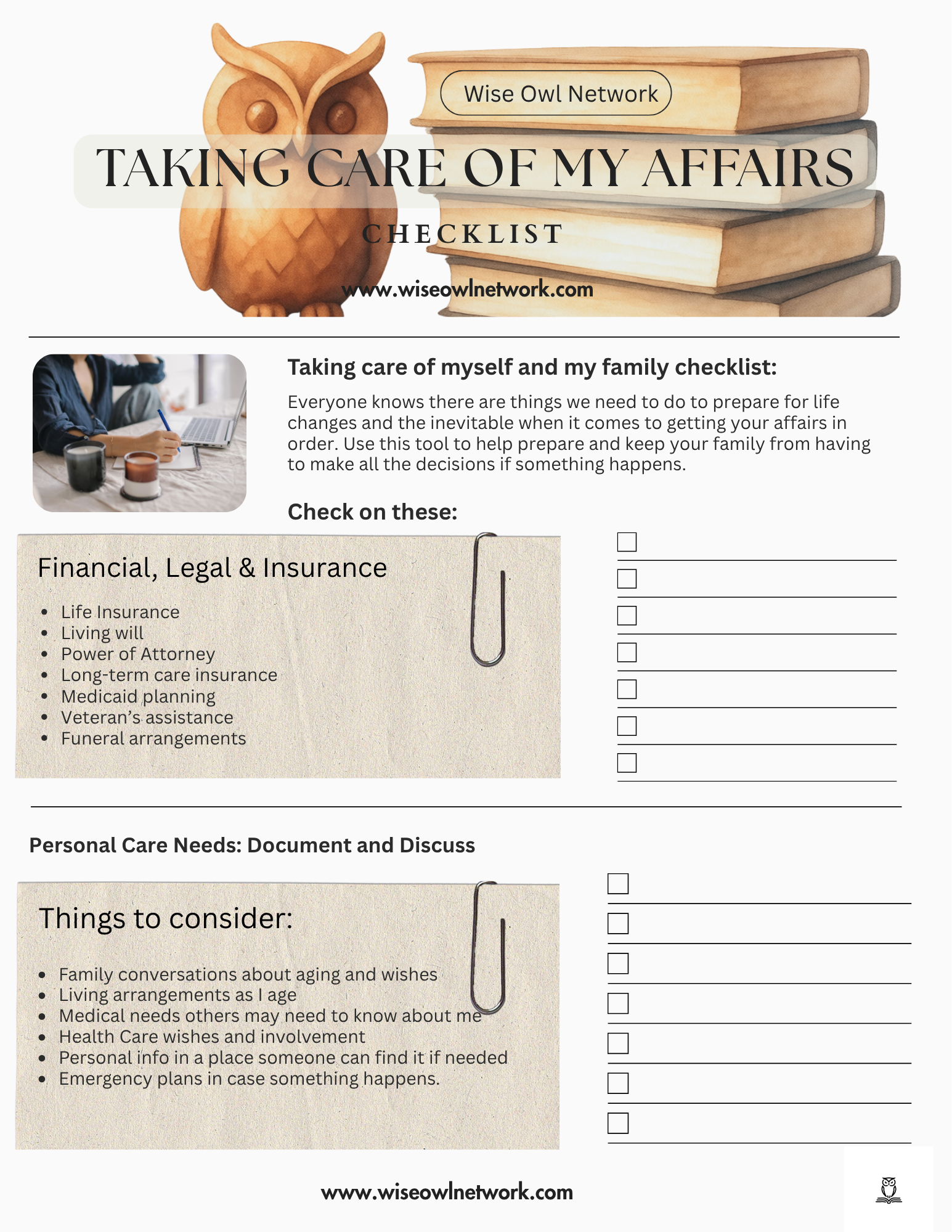
Print out this free visual prompt from Wise Owl Network to get started and add to your list.
Wise Owl Network is dedicated to keeping the aging community informed through resources on healthy aging, lifelong learning, and professional development. Visit us at www.wiseowlnetwork.com to explore more.
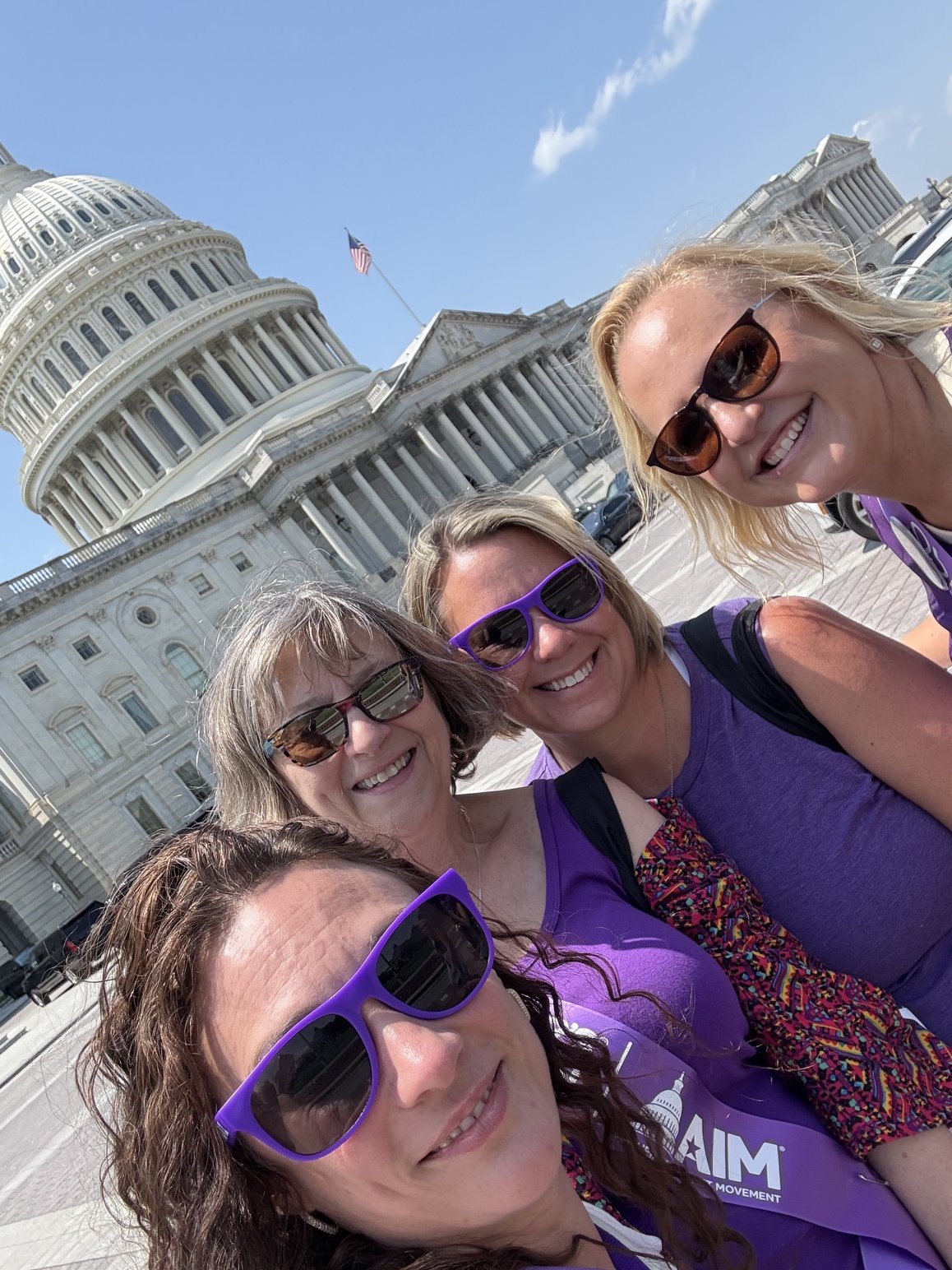
What’s Happening in Washington DC this week?
What’s happening in this week and why is Washington DC Purple!
I'm Heading Back to Washington D.C. — and I'm Going for You!
This week, I will be joining advocates from across the country in Washington, D.C. for my 6th year as part of the Alzheimer's Association's Alzheimer's Impact Movement (AIM) Advocacy Forum — one of the most important gatherings in the fight against Alzheimer's disease and all other dementias. And I wanted to take a moment before I go to share what this trip is about, why it matters, and what I will be asking our lawmakers to do.
What Is the AIM Advocacy Forum?
Every year, passionate advocates from all 50 states descend on Capitol Hill wearing purple — the color of the Alzheimer's movement — to make sure Congress hears directly from the people and communities most affected by this disease. This is not a conference where we sit in a room and talk to each other. This is Hill Day — where we walk into the offices of our senators and representatives and look them in the eye and ask them to act.
More than 1,100 advocates participated in last year's forum alone. Every year, I am proud to be one of them — representing Indiana for the 6th year and the work being done through Dementia Friendly Indiana Communities to build a state where every person living with dementia is seen, supported, and never forgotten. As part of the Wise Owl Network's commitment to keeping the aging community informed, I will be bringing this experience back and sharing it here — because what happens in Washington directly affects older adults, caregivers, and families across Indiana and the nation.
What Will We Be Asking Congress to Do?
The Alzheimer's Association and AIM go to Washington with specific, concrete policy asks. Here is what advocates will be urging Congress to prioritize this year:
1. Increase Federal Alzheimer's Research Funding at the NIH Research is the foundation of everything. Earlier this year, Congress reached a bipartisan agreement to provide a $100 million increase for Alzheimer's and dementia research at the National Institutes of Health — bringing total annual federal dementia research funding to $3.9 billion. That is a significant milestone, and a direct result of years of advocacy. But the work is not done. Advocates will be urging Congress to protect and build on that investment, because a cure does not happen without sustained, serious funding.
2. Fund the BOLD Infrastructure for Alzheimer's Act The BOLD Act — Building Our Largest Dementia Infrastructure — is the law that strengthens public health departments across the country to address dementia at the community level. It supports early detection, reduces risk, and helps prevent avoidable hospitalizations. This year's bipartisan agreement also includes $41.5 million for BOLD implementation — a historic high. Advocates will be pushing to make sure that funding is protected and that the BOLD Reauthorization Act moves forward to keep this critical infrastructure in place.
3. Support the NAPA Reauthorization Act and the Alzheimer's Accountability and Investment Act The National Alzheimer's Project Act (NAPA) is the law that created our nation's first National Plan to Address Alzheimer's Disease. It has been the backbone of federal Alzheimer's policy for over a decade. The NAPA Reauthorization Act renews that commitment — and the Alzheimer's Accountability and Investment Act ensures that funding requests are tied directly to what scientists say is needed to make progress. Both were recently signed into law, and advocates will be working to ensure full implementation.
4. Pass the ASAP Act — Alzheimer's Screening and Prevention Act This is one of the most exciting asks on the table right now. The ASAP Act would create a Medicare coverage pathway for FDA-approved blood biomarker screening tests — the breakthrough blood tests that can now detect signs of Alzheimer's years before symptoms appear. Earlier detection means earlier intervention, earlier planning, and access to the most current treatment options. This bill is bipartisan, it is common sense, and it could change the trajectory of this disease for millions of Americans.
5. Support the AADAPT Act The Accelerating Access to Dementia and Alzheimer's Provider Training Act would strengthen training for healthcare providers so they are better equipped to identify, diagnose, and support people living with dementia. It is currently moving through markup in Congress — and advocates will be there to push it forward.
Why I Am Going
I am going to Washington because the people I serve here in Indiana deserve to have someone at that table. I am going because every family, including my own, (my mother) navigating a dementia diagnosis deserves better — better research, better detection, better community support, and a government that takes this disease as seriously as it deserves to be taken.
And I am going because advocacy works. Federal investment in Alzheimer's research has increased more than sevenfold in the last decade — because advocates showed up, year after year, and refused to be ignored.
Stay tuned. When I return, I will be sharing my personal experience — the meetings, the moments, the stories I hear, and what it feels like to walk the halls of Congress for the people of Indiana living with dementia.
Wise Owl Network is dedicated to keeping the aging community informed through resources on healthy aging, lifelong learning, and professional development. Visit us at www.wiseowlnetwork.com to explore more.
Dementia Friendly Indiana Communities is a statewide network dedicated to equipping communities across Indiana to support people living with dementia. To learn more or get involved, visit www.dfindiana.org .

How to talk to your doctor about memory concerns.
What are the differences between what is normal aging and not normal and why you shouldn't be afraid to start the conversation with your doctor.
Talking to Your Doctor About Memory: What You Need to Know
Memory concerns can be unsettling — whether you've noticed changes in yourself or someone you love. Forgetting where you put your keys, missing an appointment, or struggling to find the right word in a conversation can feel alarming. But here's something important to know: not all memory changes mean dementia, and talking to your doctor is always the right first step.
Many people wait too long to bring up memory concerns, either because they're worried about what they might hear or because they're not sure their concerns are "serious enough" to mention. The truth is, there is no memory concern too small to bring to your doctor. Early conversations lead to earlier answers — and earlier answers lead to better outcomes.
What Is Normal and What Is Not
It helps to understand the difference between typical age-related memory changes and changes that warrant a closer look.
Normal aging may include:
Occasionally forgetting a name but remembering it later
Misplacing items from time to time
Taking longer to learn new information
Needing reminders for appointments or tasks
Changes worth discussing with a doctor include:
Forgetting recent conversations or events entirely
Getting lost in familiar places
Difficulty managing finances, medications, or daily tasks that were once routine
Noticeable changes in mood, personality, or behavior
Asking the same questions repeatedly within a short time
If any of these sound familiar — for yourself or someone you care for — it is time to make that appointment.
How to Prepare for the Conversation
Walking into a doctor's appointment prepared makes a real difference. Doctors appreciate specific information, and being ready helps you make the most of your time together.
Before your appointment:
Write down the specific memory changes you have noticed, including when they started and how often they occur
Note any other symptoms — sleep problems, mood changes, difficulty with daily tasks
List all current medications, including over-the-counter drugs and supplements, since some can affect memory
Bring a trusted family member or friend who can share what they have observed — a second perspective is genuinely helpful to your doctor
During your appointment, don't be afraid to ask:
What could be causing these changes?
What tests or evaluations do you recommend?
Are there lifestyle changes that could help?
Should I see a specialist, and if so, what kind?
What should I watch for going forward?
Download this free resource to prompt you to ask the right questions and to fill out before you go.
What Your Doctor May Do
Your doctor has several tools available to evaluate memory concerns. The visit may include a physical exam, a review of your medications, blood tests to rule out treatable causes like thyroid issues or vitamin deficiencies, and a brief cognitive screening test. These screenings are not pass/fail — they simply give your doctor a clearer picture of how your memory and thinking are functioning.
Depending on what they find, your doctor may refer you to a neurologist, geriatrician, or memory specialist for a more detailed evaluation.
A Word for Family Members and Caregivers
If you are concerned about someone else's memory, approaching the conversation with care matters. Bring it up gently and privately, focus on specific things you have noticed rather than general accusations, and frame it as coming from a place of love and concern — not judgment. Offering to go to the appointment together can make a big difference for someone who feels anxious or resistant.
The Most Important Thing
Memory concerns are worth taking seriously — but they are also worth taking calmly. Many causes of memory changes are treatable. And for conditions like Alzheimer's disease and other dementias, early detection opens the door to planning, support, and access to the most current treatment options available.
You do not have to have all the answers before you walk into your doctor's office. You just have to start the conversation.
Additional Resources:
Dementia Friendly Indiana Communities is a statewide network dedicated to equipping communities across Indiana to support people living with dementia. For a Road Map and other resources and information, visit www.dfindiana.org
There are often many resources out there to refer to. Dementia Friendly America is a nationwide movement and there are often dementia friendly efforts in each state. Check out www.dfamerica.org for more information.
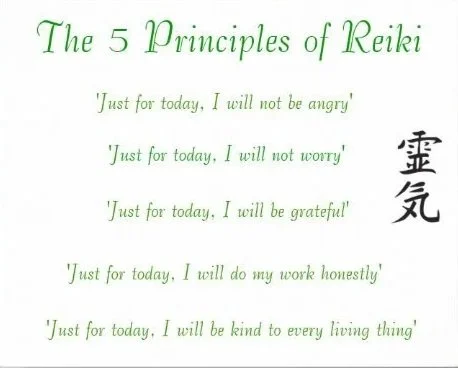
Purpose, Passion and Life
5 Principals of Reiki
You’ve been waiting to hear a about energy and how to get more as we age, right? Well, this isn’t about that kind of energy to get things done, but rather, what is Reiki and how does it work by moving energy. And what does this have to do with purpose, passion and life?
Hear from Diana Matthews in this interview about Reiki and Forrest bathing, and about her clear ability to recognize that creating those kinds of nurturing spaces matters deeply for her personal passions and priorities. Learn how she draws on the totality of her life experiences and her own drive to manage anxiousness, turning those lessons into a practical approach she uses to support both herself and others. Along the way she continues to discover that she is still uncovering her purpose and passion, embracing new possibilities and living life to the fullest.
Follow this link for part 1 of the interview with Diana.
If you like what you see and you are interested in the Vintage Generation membership, click here and subscribe to the free newsletter or the blog before May 31st, and get a free 30 day membership on us!
I am just getting this resource started for our communities. Please support me by sharing my emails and Facebook posts! Wise Owl Network is a resource sharing platform to help us live our best lives as we age and to support professionals who are caring for our aging adults through educational opportunities. Check out our resource pages and our Wise Academy page for more details!
If you know someone who needs a 30 minute free consultation to find specific resources related to dementia or other aging care needs, contact us to set up a call or virtual meeting.
In your own back yard…
Did you know there are always resources that are hidden in your own back yard? It is always so hard to find things when you don’t know where to look. And if you are not in need of a specific resource, well then, why would you know about that resource?
One hidden gem that has been a part of the Bloomington community for a long time is the CoDesign Commons. The leaders of this collaborative organization have always looked for ways to help older adult thrive and have access to resources and living. I have personally gotten to work with the some of these excellent minded, compassionate hearted individuals in some of the biggest projects in my life. They are great people to get to know.
So what is the CoDesign Commons? Well quoting directly from their web page; “The CoDesign Commons is a collaborative space to address aging-related challenges in the community—we are helping researchers, community organizations, and older adults work together to solve problems!”
We have added them to “What is happening in your back yard” on the resource page so that you can download the May schedule. The theme for May is “Living from the Inside Out”. Check out more about what they have coming up in their Food for Thought series, followed by Creative Lab on most Fridays at the College Mall Endwright Center.
Socialization is one of the pillars of protecting your brain health. But with this group, you get to add life-long learning and creative art to boost your mood and your brain!

What Every Long-Term Care Professional Needs to Know About 2026 Medicaid & Medicare Changes
What every long-term care professional needs to know about 2026 Medicare and Medicaid updates.
Look over these bullet points and review with your team to see if you are adjusting and download the check off list to see what else may need to be adjusted to keep your facility running smoothly.
Big changes to Medicare and Medicaid are here in 2026.
Disclaimer: These rules and regulations are always subject to change rapidly in the current changing political environment. Always check to see if there have been additional changes and in what way. For now, I am trying to bring the most current that I can find according to researching along with tools to help you check and adjust. Links to sources below.
Here are a few bullet points that you can review and discuss with your team to make sure that you are aware of them and adjust how your facility addresses them for your staff and residents. For additional check offs, download our check off list to stay as up to date as possible on Indiana’s specific changes and requirements.
Medicare Part B premiums hit a new milestone — the standard monthly premium for Medicare Part B has risen to $202.90 in 2026, up $17.90 from 2025 — the first time it has exceeded $200. The annual Part B deductible has also increased to $283, up from $257.
Prescription drug costs are changing — starting January 1, 2026, Medicare began using newly negotiated prices for a group of commonly used and expensive prescription drugs under the Medicare Drug Price Negotiation Program. The most a resident will have to spend out of pocket on prescription drugs covered by Medicare Part D is now capped at $2,100.
The minimum staffing rule repeal — this is a big one for LTC professionals. CMS repealed the minimum staffing standards for long-term care facilities, with regulations effective February 2, 2026. This removed the previous requirement for nursing homes to provide 3.48 total nurse staff hours per resident per day and 24/7 RN coverage.
Prior authorization is expanding — if your facility is in one of the pilot states, you may need prior approval for certain procedures or medical equipment, with the goal of preventing unnecessary care — though some worry it could lead to delays. If something is urgent, ask about expedited review options.
Medicaid income thresholds have shifted — the individual income limit for those requiring long-term care has risen to $2,982 per month. If a resident has income above this limit, they may still qualify by using a Qualified Income Trust.
What to do right now — a practical checklist for administrators, nurses, and social workers to respond to these changes in their facilities can be downloaded and or printed off by logging into our Wise Academy membership page.
I hope that reviewing these changes will lead you to investigate and make sure that your team is aware and on board so that everyone can feel better informed to help your families and residents.
-Amanda
Internet Research Resources & References: ElderLawAnswers, Federal Register, Hickman Lowder
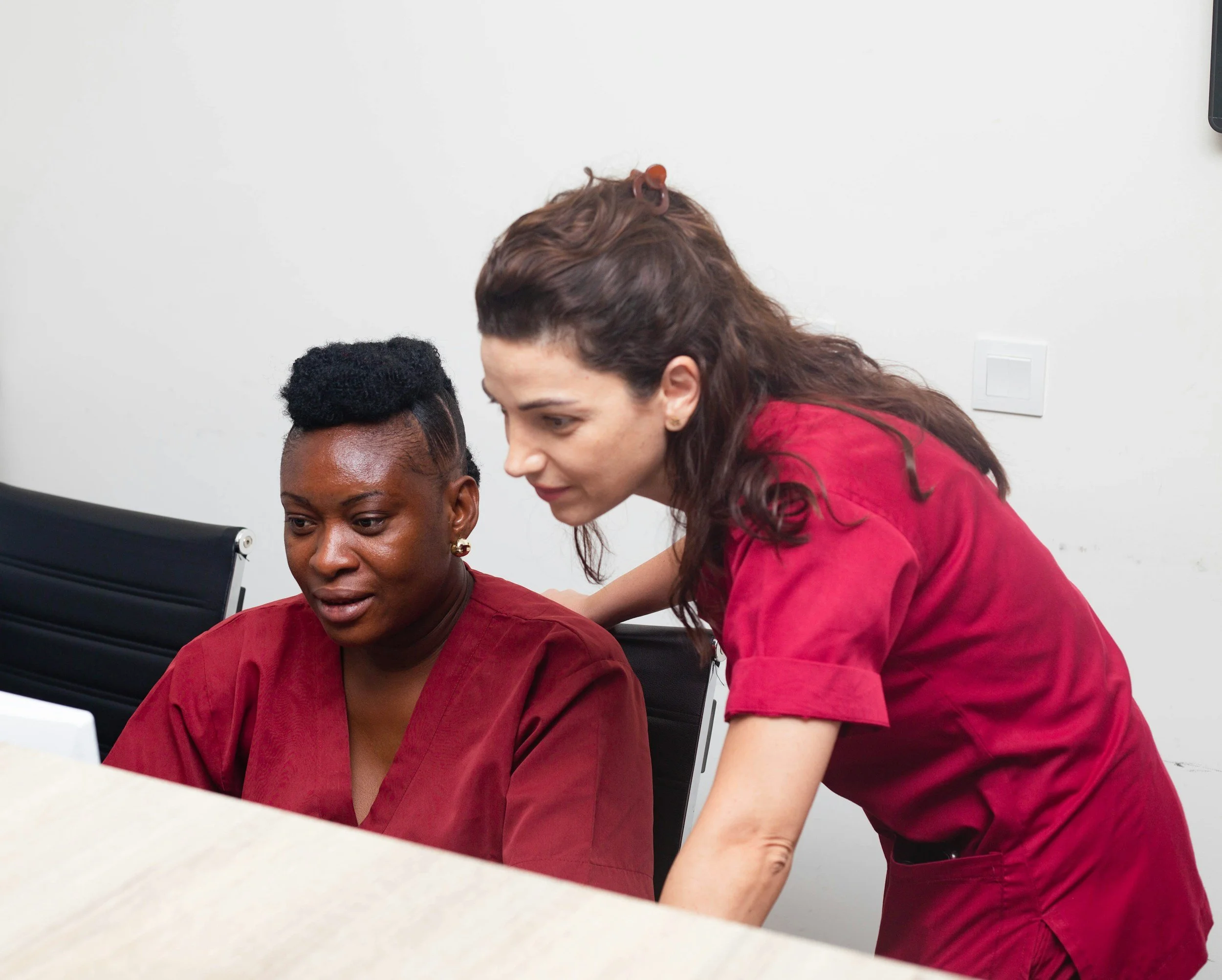
You can’t pour from an empty cup:
For Healthcare Professionals: You can’t pour from an empty cup.
Here are some ways to address burnout and stress in the long-term care field.
Stress Management for Long Term Care Professionals
Have you ever thought about why Long Term Care burnout hits differently? There are so many needed professionals in this field and yet we are having a hard time continuing to fill and keeps these rolls. While, the reason is, it is a combination of a fast-growing aging and high medical need population worldwide, with not enough young professionals entering the field - it is also because it is emotional hard work.
There is the grief that doesn’t always get addressed because there just “isn’t time” when others need your attention. Or that fact that the physical demands are tough on our own aging staff as well. We all know the professionals who care for our grandparents, spouses, family members all deserve a metal for the everyday emotions and labor they put into this incredibly important job. There are so many factors to why this profession is difficult and doesn’t get the attention it deserves that I would love to address, however, I am going to focus on ways to take care of yourself if you are a healthcare professional in this blog.
What is the signs that you are running on empty? And how do we refill our cup when it feels like we don’t have time to breathe?
Burnout: You might be irritable with your co-workers, dreading your shift, showing signs of physical exhaustion and becoming more emotionally detached from your team and those you’re providing care to. Sometimes we decide to ignore these signs, telling ourselves we don’t have time to address them in the moment. But I am here to tell you that they will catch up with you and your body will let you know in some way or another.
Acceptance: It is really hard when you have been a healthcare professional not to just say, “Oh well, that is just how it is and I need to accept it”. But not accepting the actual fact that you are feeling burnout doesn’t allow you to address it and try some different coping skills that can help you manage your stress so you can continue to do your job. Burnout is not admitting that you quit, it is admitting that the same routine is not working well for you anymore and that you may need to pay attention to your own needs. Even as you are doing your job, you can make some adjustments that can help you, your team, and the people you are taking care of. Burnout is circular, meaning you will have your highs and lows and it will circle back around over time and as situations change in the workplace. It will come and go. Each time it comes, you will keep developing ways to take a break, address it and sustain, becoming more resilient each time to you recongize the patterns.
Tips: Here are some ways to build in coping skills that will help you each time this comes up. I suggestion you bookmark this blog so that you come back here and read it again when you feel you need a refresher on how to address it.
Lifestyle and Healthy living is addressed in the Vintage Generation membership of this organization as well with downloadables, videos and conversations on how to do so in case you are looking for different tips outside of these few bullet points.
Quick resets actually work:
Box breathing as you walk between rooms - box breathing is counting and being present with inhaling, holding and then letting out your breath and repeating. Typical box breathing looks like 10 count in, 5 count hold, 10 count out, 5 count hold, repeat. Breathing is very important for your brain as we don’t always realize we are holding our breath when we are stressed or have anxiety related to a task. Breathwork clears cortisol from our brain that otherwise keeps us feeling stressed and in survival mode.
5 minute walk outside - Reset your scene for a moment. Fresh air, standing outside or sunlight helps us ground where we are in the moment, but a quick walk helps us with our breathing naturally and gets our blood pumping to bring oxygen to the brain and muscles. When we do this, we increase the healthy chemicals in our brain, flushing out the cortisol. Doing this alone or with a team member can really help you feel more ready to take on your next task.
Journal the small wins - If there are particularly hard tasks or situations that feel like a battle everyday, sometimes taking a moment to journal those small wins when they happen can help you hold onto the feeling of that win and carry the emotion through onto the next task. Some may call this practicing gratitude. When there are many moments through out the day that seem rather difficult, a loss of a resident, a bad interaction with a team member or overall fatigue, journaling or practicing gratitude for the “small wins” can help you overcome the more diffiecult moments.
Boundary Setting without Guilt:
It is very hard to not take the day with you once you clock out, especially when you have become emotionally attached to the people that you take care of or when your staff coordinator is calling you to pick up an extra shift because they are short staffed.
Mentally prepare yourself for your home - As your leaving for the day there have been some really tough things that likely have happened or you are feeling the exhaustion or pain from the physical demands of the day. You either are driving to pick up your children or rushing home to cook or take care of some errands. Having a hard time collecting yourself to focus on what is needed of you. This is normal. We are not built to be machines and our bodies are overextended.
In your car before you begin to drive, try to always leave yourself 5 minutes to repeat some of the tips above, but especially box breathing can be helpful. You can say out loud what it is that is weighing on your mind from your shift to identify the way it makes you feel. Then telling yourself that the next shift will take care of it and you will be back when it is your time to handle the next shift’s duties. Allowing yourself to let go of it and change gears to deal with home responsibilities and especially finding a time to rest.
One thing that helped me when I recognized this was happening to me when I was working in LTC everyday, was to breathe, but then pray over my concerns to let them go. You can practice this too, believing in something bigger than yourself. If you don’t pray, saying some positive words and a release so that you can leave feeling that whatever it may be, it will get handled and you can concentrate on yourself and your family. Then truly giving yourself the permission and boundary to let it go and not pick it back up again.
Calls from the facility shouldn’t go unchecked either. No matter our professional position, we need to give clear boundaries of when we are available for calls, whether it be for scheduling, and issues that needs resolved or just staff calling for advice. We need to and should be clear that emergency calls are need to addressed only by those who have given the permission to be on call and that if it is about staffing, you are clear with the coordinator that you will not be answering the phone during certain activities with your family, giving a clear understanding of when you are available. Reminders are needed often of this when you are on your shift so that it doesn’t get forgotten.
Self-Care routine:
Building a mini self-care routine - Think about things that you like to do, makes you feel good or sounds and smells. Taking 10 minutes to build in something that you enjoy. We often forget to “stop and smell the roses”.
How often do you get through your busy day and realize that you haven’t drank water, listened to music or talked to a friend? This should be a non-negotiable for your self-care. Write down a few things that you really enjoy but don’t get to do or things that you know you are neglecting. You can put a reminder on your phone to stop and take 10 or you can ask a friend to help hold you accountable and have them check in with you and do it together over the phone. We all need to be better connected these days. We also can have a music list ready, an adult coloring book, maybe some verses or quotes to look over. Once you decide this is for me, stick to it. Do a couple of these things a day for 10 minutes and you will see a difference in how you handle work and home. Women are especially susceptible to forgetting to take care of themselves as they often put others before them naturally. Stop now and think of one thing that you can make yourself do that you enjoy for 10 minutes a day. Self-care is anything really that brings you a feeling of joy or accomplishment of caring for yourself.
When to ask for help:
It is hard to admit, but sometimes we all need some help - We should all normalize, that employees may become so burnout, overwhelmed and stressed that there is some need for professional help. We often have times in our lives when home and work are really overlapping and what is happening at home is too much and what is happening at work can also be too much. As leaders in the healthcare field we have a responsibility to make sure that there are programs offered to employees that can help and not hinder. Some EAP programs can be helpful, but are there also peer programs where employees support one another that they may be more willing to attend?
Is there the ability to call into work for a mental health day without being put on the spot or made to feel guilty? The U.S. system of work-life balance, especially in the healthcare field is not always the best example, yet we help people everyday in this field alone with an understanding that we are pouring from our own empty cup. Work with your team to find ways to normalize that it is okay to say “uncle” and tap out when needed and ask for that help. We should not feel ashamed. In order to make it through the long haul, we have to address the here and now to build our own resilience as healthcare is currently taking a hit in the U.S. and we will need to find ways to continue to take care of each other.
I hope this has helped you as each time I work on my own research for these articles it also reminds me to be kind and take care of myself.
-Amanda
Coming soon:
I will be releasing a check off sheet that will help us make sure we are addressing the new 2026 Medicaid and Medicare updates and changes. - stay tuned and log into the Wise Academy membership page to get your downloadable copy of the check off list.

From Curiosity to Passion
Your life is what you make it. Join us to learn how our curiosity in something that interests you can spark passion.
You won’t want to miss this conversation with Diana Matthews! Over the years, her keen interest in nature, stillness, breathwork and energy has led to experiences and then to practice. She often teaches about brain health and healthy aging habits in all of her roles along with how important rest and relaxation can play a part in it.
Not only did she develop an interest, she decided to become a Reiki Practitioner and a Forest Bathing Guide. I am excited to learn about what all these practices include and how we might be able to be curious humans, leading us to a new passion, but ancient way to take care of ourselves.
Diana shared some nuggets of wisdom, which I think are very fitting:
“Your life is what you make it. Meaning, if you want joy, be joy. If you want love, be love. If you want peace, be peace. If you want happiness, be happy. Your emotions emit a frequency that attracts like frequencies. Vibrate at the place you want to attract into your life. There is so much research about this. Surround yourself with people who vibrate at the level you want to be. Don’t allow yourself to be around people who pull you down.” - Diana Matthews
*Wise Owl Network is hosting a webinar on Brain Health on April 3rd at 10am, join our membership to gain free access today!

And The Wheel Keeps Turning
From Wellness Wheels and holistic approaches to care, take a look at this week’s episodes to find out more on how to become aware of your own balance in well-being.
I find myself wondering what to tell you and how to keep creating a blog that keeps us all entertained as well as wanting to take care of ourselves. Well, what I can say is that the wheel keeps on turning no matter what happens around us. The world doesn’t stop even when we want to put it on pause. Big things happen, good and bad. Sometimes we want to enjoy special moments just a little longer or we need life to stop for us to understand a devastating loss.
We have all been there at one point, making the hard decision to keep going even when we don’t want to. But what if I was to tell you that resiliency comes from being aware of yourself? We all have things that we don’t know that we don’t know about our own processing of the world around us. We get either so busy, so overwhelmed or we choose to ignore our wellness when we don’t want to invite more to think about.
I have added a way to help us take a first step in looking into our own overall wellness. Joy Harter got us started thinking about spirituality and mental wellbeing and so as we continue that conversation with her, let’s also take a look at the Wellness Wheel and how it can help us become aware of dimensions that we show strength in and what areas may need attention.
I have add some self assessment tools to the membership page along with the 2nd part of my interview with Joy. The only way I can keep bringing you these tools and interviews is if you help me out by joining as a member. Either through the Vintage Generation at $3.99 a month or as a professional, where we unlock other learning tools, though our Wise Academy at $9.99 a month. You can also join me on webinars as well if you are a Vintage Generation member coming up!
Take a look here.

Make Room for Growth
It All Begins Here
Personal growth comes in many different forms. Growth helps our overall wellbeing and healthy aging habits. After part 1 with my interview with Joy, I reflected on my own spiritual growth and what I have been noticing lately. I am not where I used to be with my own spiritual growth. Maybe it is due to the changes in the world or distraction. I recognize it. I took the time to look up some of the ways I can check in with my own growth and found that there are ways to reflect by asking ourselves some questions about how spiritual we really are.
Within the wellness wheel, we see that there is a space for spiritual wellbeing. So what does that really mean? You can ask yourself with a series of questions and allow yourself to sit back and reflect. That reflection can be fuel to help you recognize yourself in this moment in your life and or it can show your solid in your spiritual wellbeing, even if you didn’t understand what it meant before.
You can take a look here with our Vintage Generation Members for a print out you can download and really reflect.