

What a Landmark Brain Health Study Means for Your Everyday Life …
U.S. POINTER Brain Health Study: What It Means for You
What the U.S. POINTER study means for everyday brain health, plus two Bloomington events this month: the Alzheimer's Walk and Dementia Friendly conference.
…Plus Two Ways to Get Involved in Bloomington This Month
If you've ever worried about your own memory, or watched someone you love go through memory loss, you've probably wondered whether anything you do day to day really makes a difference.
New research says it can.
What the study found
In 2025, the Alzheimer's Association shared results from U.S. POINTER, the largest research commitment in its history. More than 2,000 older adults at risk for cognitive decline took part in a two-year trial across the country, testing two different lifestyle programs.
Both programs combined the same basic ingredients:
Regular physical activity
Better nutrition
Mentally and socially challenging activities
Health check-ins, like blood pressure
Both groups improved on tests of thinking and memory. The group with the more structured program, which had more support, coaching, and accountability, improved even more. In plain terms, the researchers found that these habits helped protect thinking and memory from the normal decline that comes with aging, over the roughly two years of the study.
What it doesn't tell us
This was a study of thinking and memory over two years. It didn't show that anyone avoided a dementia diagnosis, and it isn't a cure or a guarantee. Researchers are continuing to follow participants to learn about longer-term effects.
It's also general information, not medical advice. Check with your doctor before starting a new exercise program or changing your diet, and ask them about your own blood pressure and other numbers.
What it means for the rest of us
You don't need a research team to borrow the best ideas from this study:
Move your body most days. A walk counts.
Eat well. Better nutrition was part of both programs. Ask your doctor what's right for you.
Keep your mind and your social life active. Learn something, play something, call someone.
Know your numbers. Regular check-ups are part of brain health too.
And here's the part we find most encouraging: the people with more structure and support did better. A plan, check-ins, and other people alongside you made a difference. That's why we build everything at Wise Owl Network around small steps and shared experiences. (We also include sleep and rest in our own brain health tips. It wasn't one of the study's main components, but it's worth raising with your doctor.)
Two ways to take a step in Bloomington this month
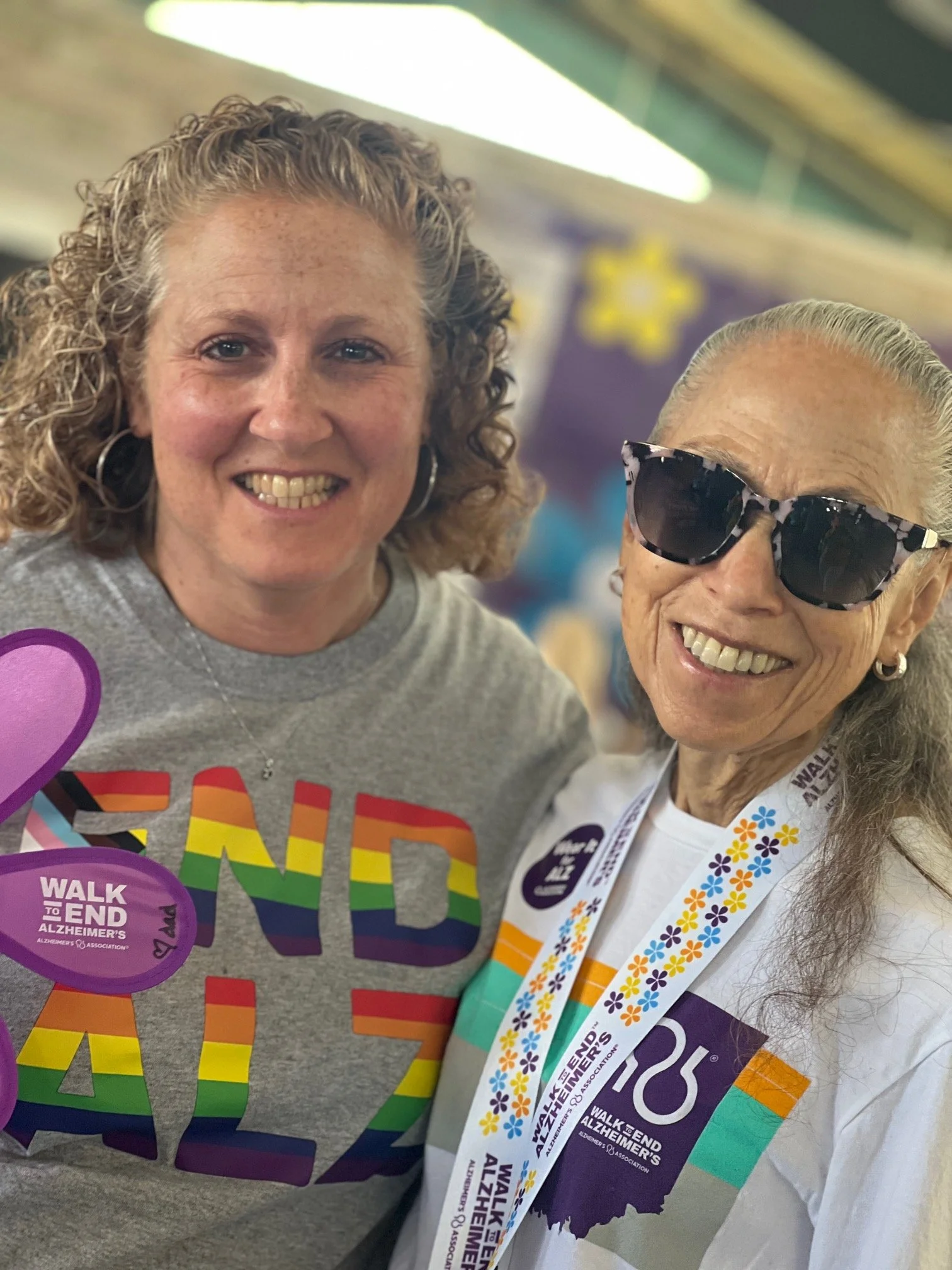
Walk to End Alzheimer's: Sunday, October 18
The Bloomington Walk to End Alzheimer's brings neighbors together to raise awareness and funds for Alzheimer's care, support, and research. It's a good fit if you're:
A caregiver looking for community
Walking in honor of, or in memory of, someone you love
An advocate who wants to help
Simply curious, and ready to move a little for a good cause
When: Sunday, October 18. The event begins at 12:00 pm, the opening ceremony is at 12:45 pm, and the walk follows right after.
Where: Switchyard Park Pavilion, 1601 S Rogers Street, Bloomington, IN 47403
Register, join a team, volunteer, or donate: 2026 Walk to End Alzheimer's, Bloomington https://act.alz.org/site/TR/Walk2026/IN-Indiana?pg=entry&fr_id=19610
Can't make it in person? You can still donate to the Walk or to a team through the registration page.
Dementia Friendly Bloomington Conference: Thursday, October 22
Dementia Friendly Bloomington is a local effort to make our community a place where people living with dementia and the people who care for them are understood and supported. The conference is a chance to learn, connect, and find out how you can help.
When: Thursday, October 22, from 9am-3pm
Where: Sherwood Oaks Christian Church, Bloomington
Details and registration: Registration is free: https://www.dfindiana.org/dementia-friendly-conference
All community members, professionals and residents alike and especially those living with dementia and care partners welcome!
If you need support right now
The Alzheimer's Association runs a free 24/7 Helpline at 800-272-3900. You don't have to be in crisis to call. Questions are welcome.
Where Wise Owl Network fits in
We're not medical professionals or attorneys, and we don't give medical, legal, or financial advice. We help people get organized, find the right local resources, and take that first step. If you're caring for someone with memory loss, or you'd like to get your own affairs in order while you're thinking clearly, our workbook is a gentle place to start, and consultations are available if you'd like to talk it through.
Try a free section of the workbook → https://www.wiseowlnetwork.com/getting-your-owls-in-a-row
Book a consultation → Contact | Get in Touch Today — Wise Owl Network
Event details come from the organizers, so please check their pages for the latest information. Wise Owl Network is sharing these events because we think they're worth your time.